Agent glue code is becoming the next ESB
Published:
• 7 min read 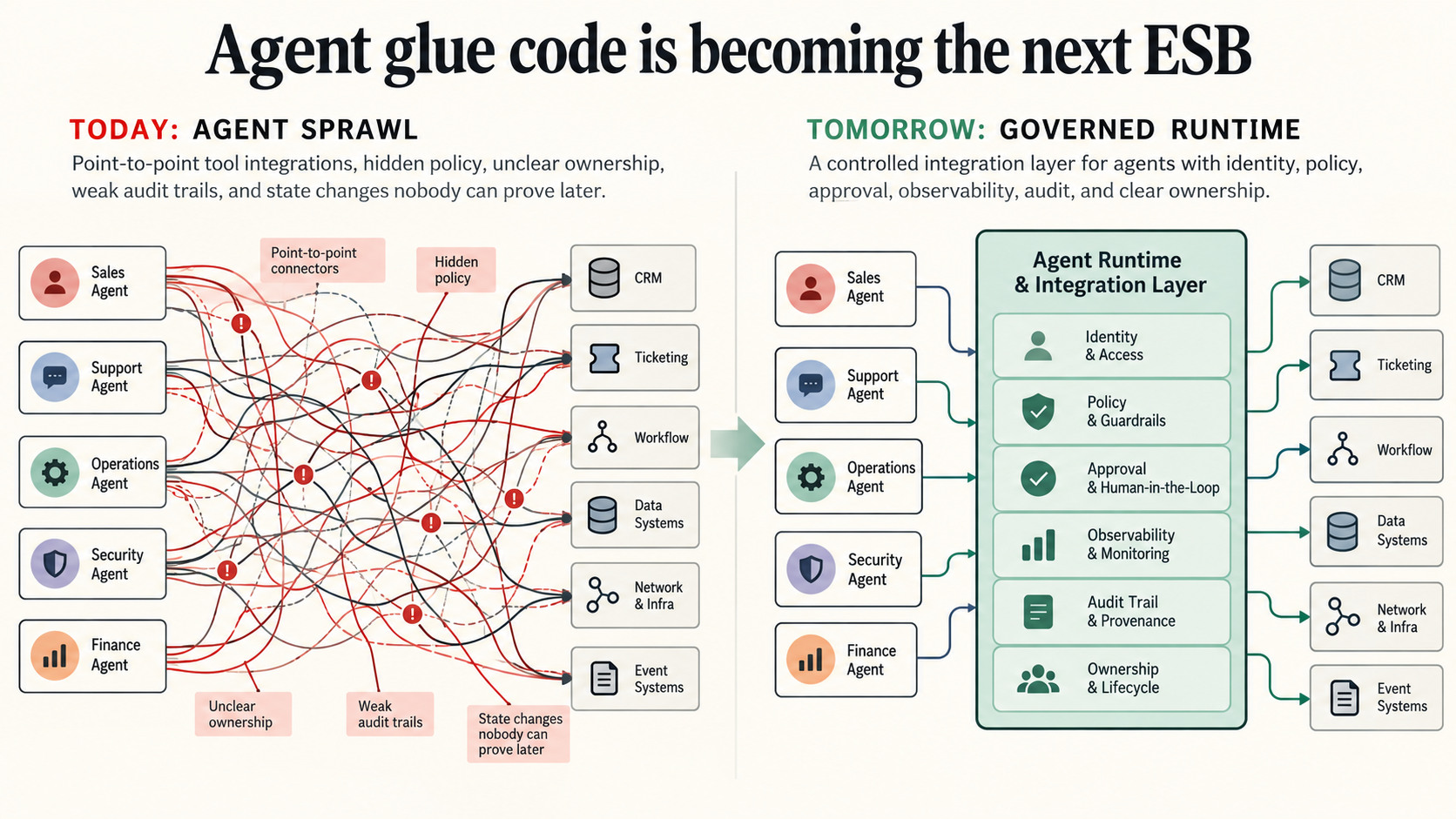
Telco and enterprise AI agents do not fail because tools are hard to call. They fail when identity, policy, state, approval, and proof are left inside custom glue code.
Essays, notes, and analysis on AI systems, autonomy, integration architecture, infrastructure, and the occasional detour into investing or product thinking.
Start from a theme if you do not want a pure chronological archive.
Agents, workflow design, governance, and what breaks when AI moves from demo to production.
APIs, architecture patterns, platform tradeoffs, and enterprise system design under pressure.
Applied experiments, useful household systems, and proof-of-work built around actual use.
Telco and enterprise AI agents do not fail because tools are hard to call. They fail when identity, policy, state, approval, and proof are left inside custom glue code.
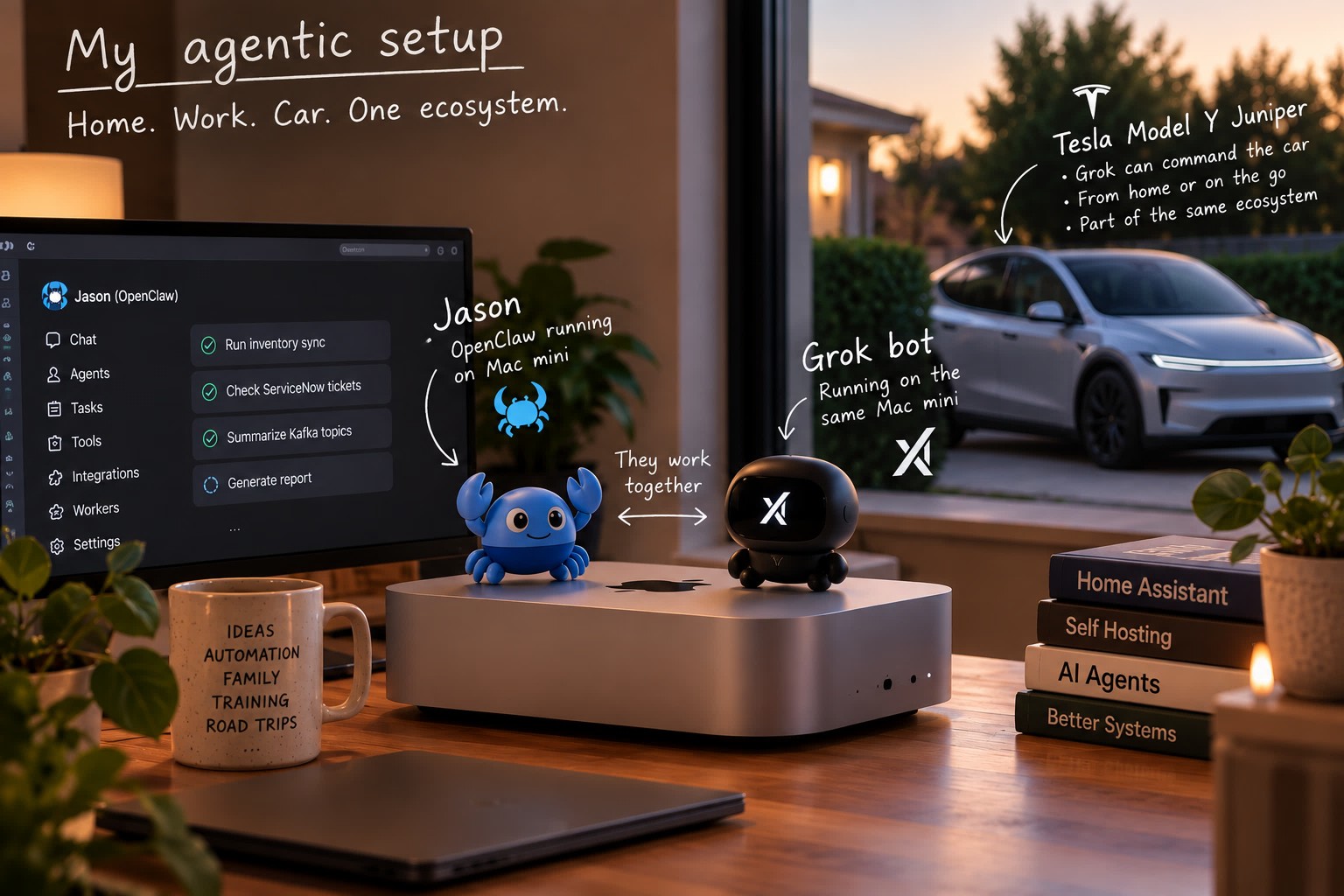
The stronger idea is not Grok Bot versus Jason. It is Grok as the Tesla command surface, a home-machine Bot as the relay, and Jason as the guarded local execution layer.
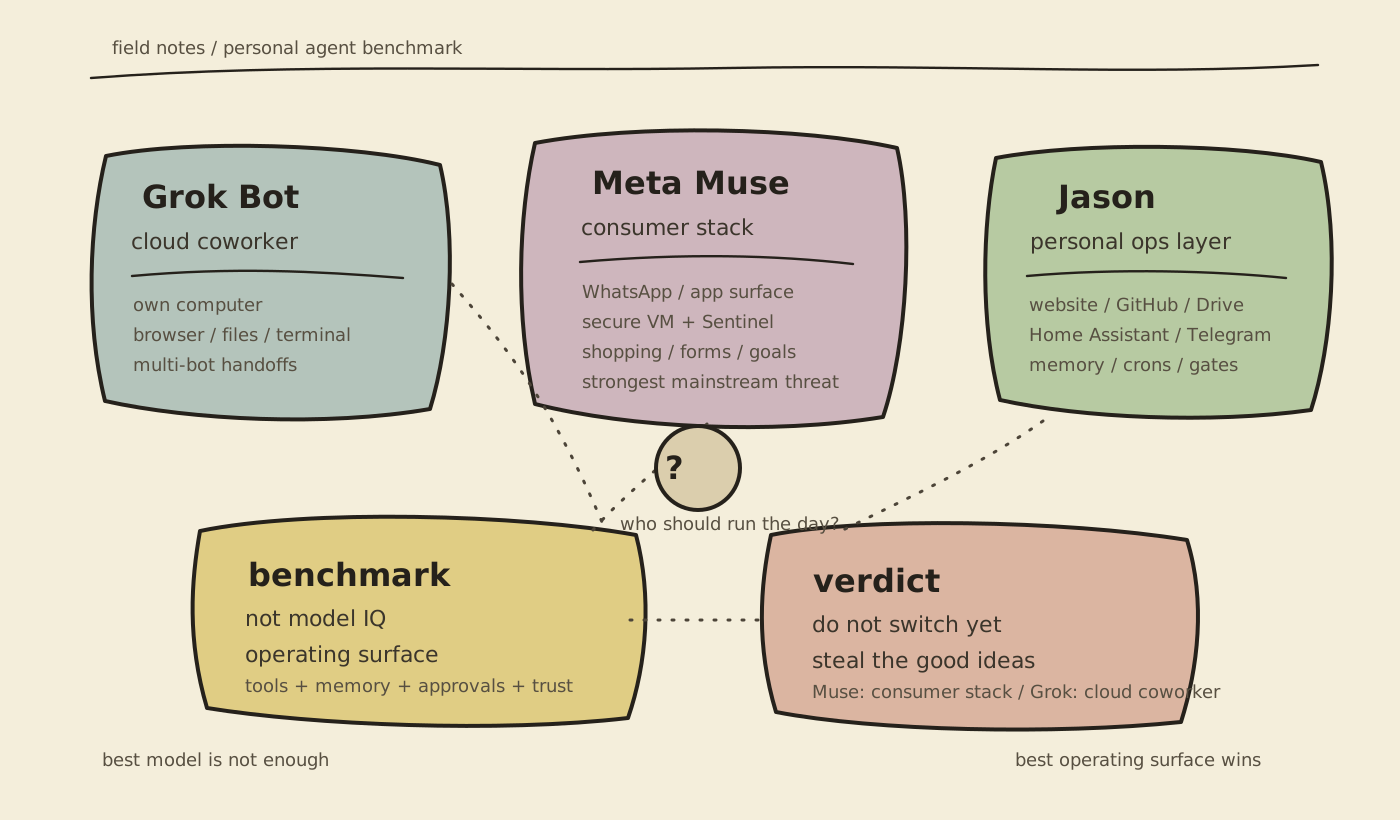
Grok Bot, Meta Muse, and my own OpenClaw setup are aiming at the same prize: a useful personal agent that actually gets work done. The winner is not the smartest chatbot. It is the one with the best operating surface, and Tesla-to-home-machine Grok control changes Grok's score.
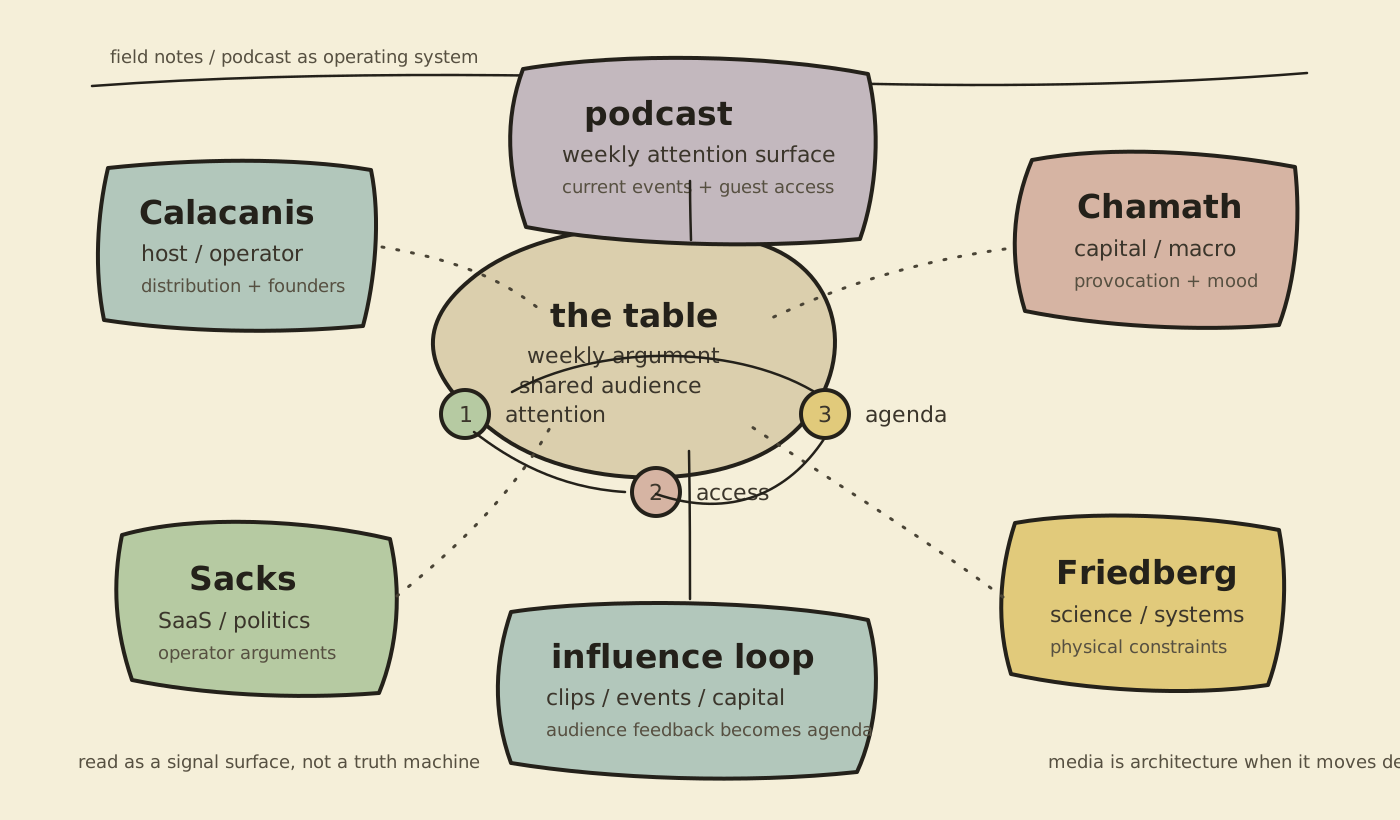
The interesting part of All-In is not that four investors argue on a microphone. It is how podcast, clips, events, capital, founder access, politics, and audience feedback become one distribution machine.
Meta put its Muse AI agent into a tiny keychain device with a screen, a face and a personality. I killed quite a few Tamagotchis as a kid. Can I do it again?
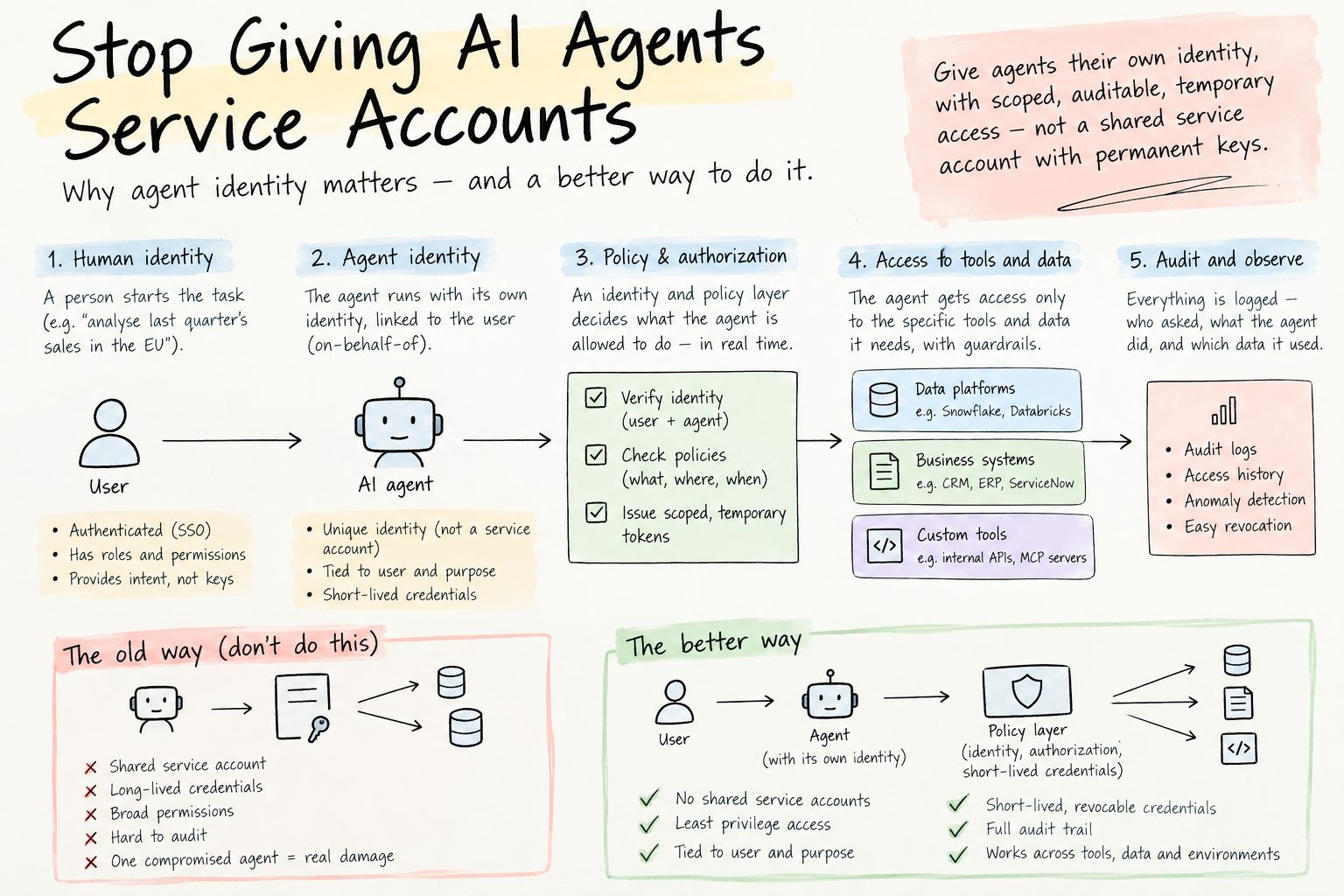
Service accounts were built for predictable software. Agents are different: they act for people, cross tools, and change context. Identity needs to follow the agent, the user, and the task.
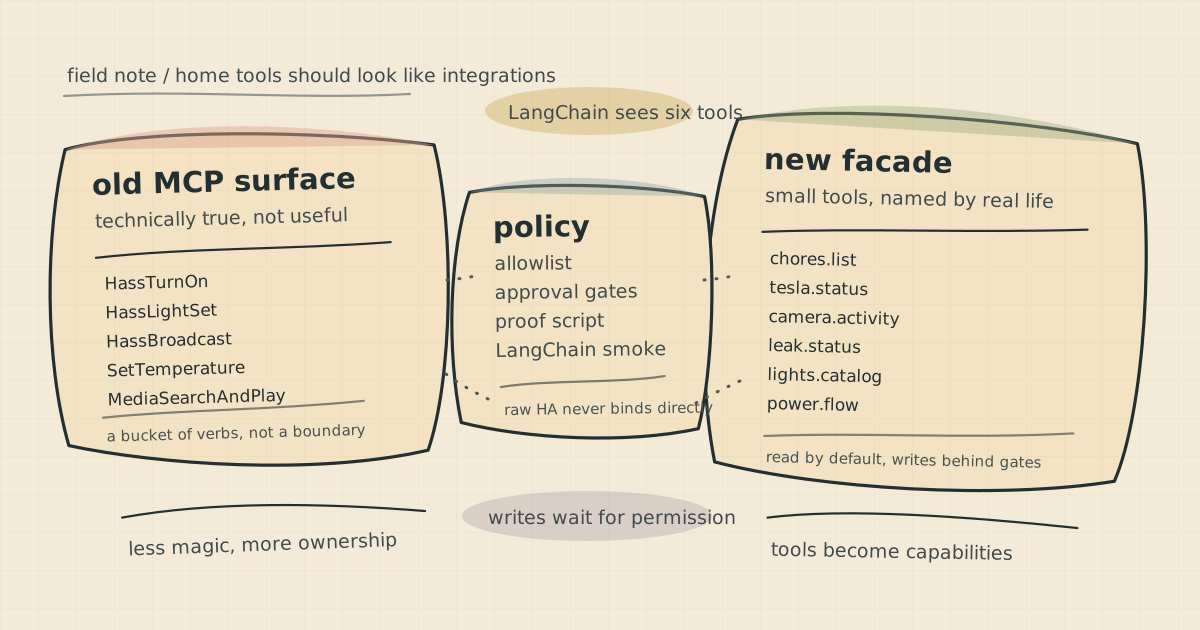
The raw MCP server already worked. The useful step was building a curated integration facade: chores, Tesla, cameras, leaks, lights, and power, with writes behind gates.
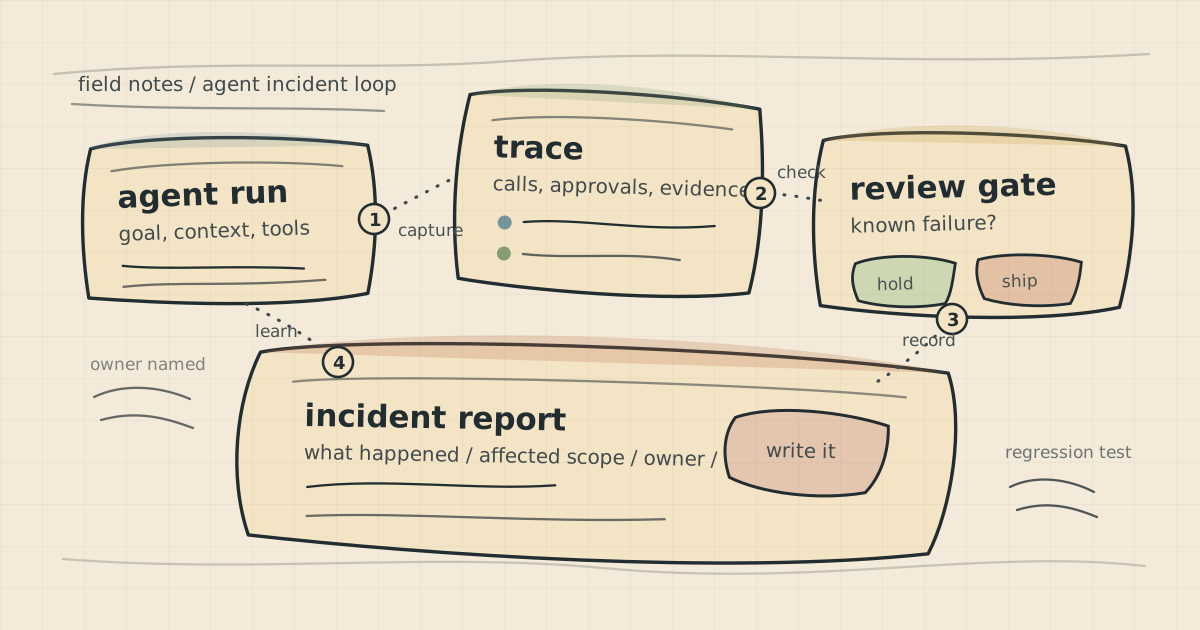
OpenAI's new misalignment reporting framework is a useful signal for enterprise teams: if agents can act, they need traces, eval gates, ownership, and a boring incident loop.
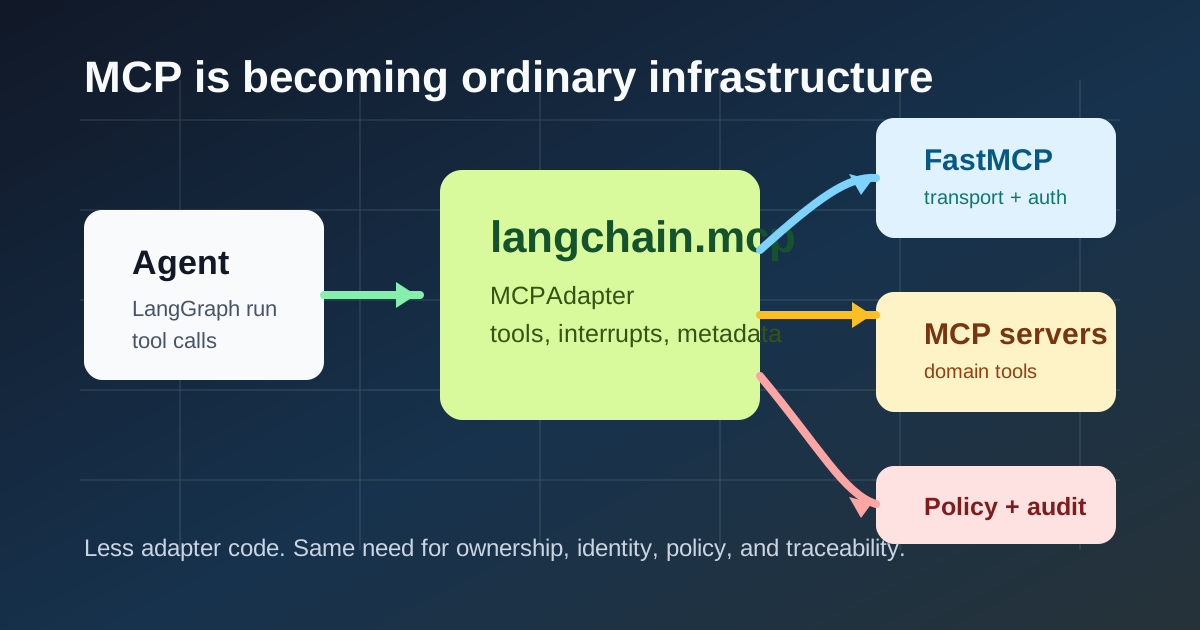
LangChain moving MCP into langchain.mcp is useful because it removes adapter plumbing. It is also a reminder that easier tool access does not remove the need for identity, policy, and ownership.
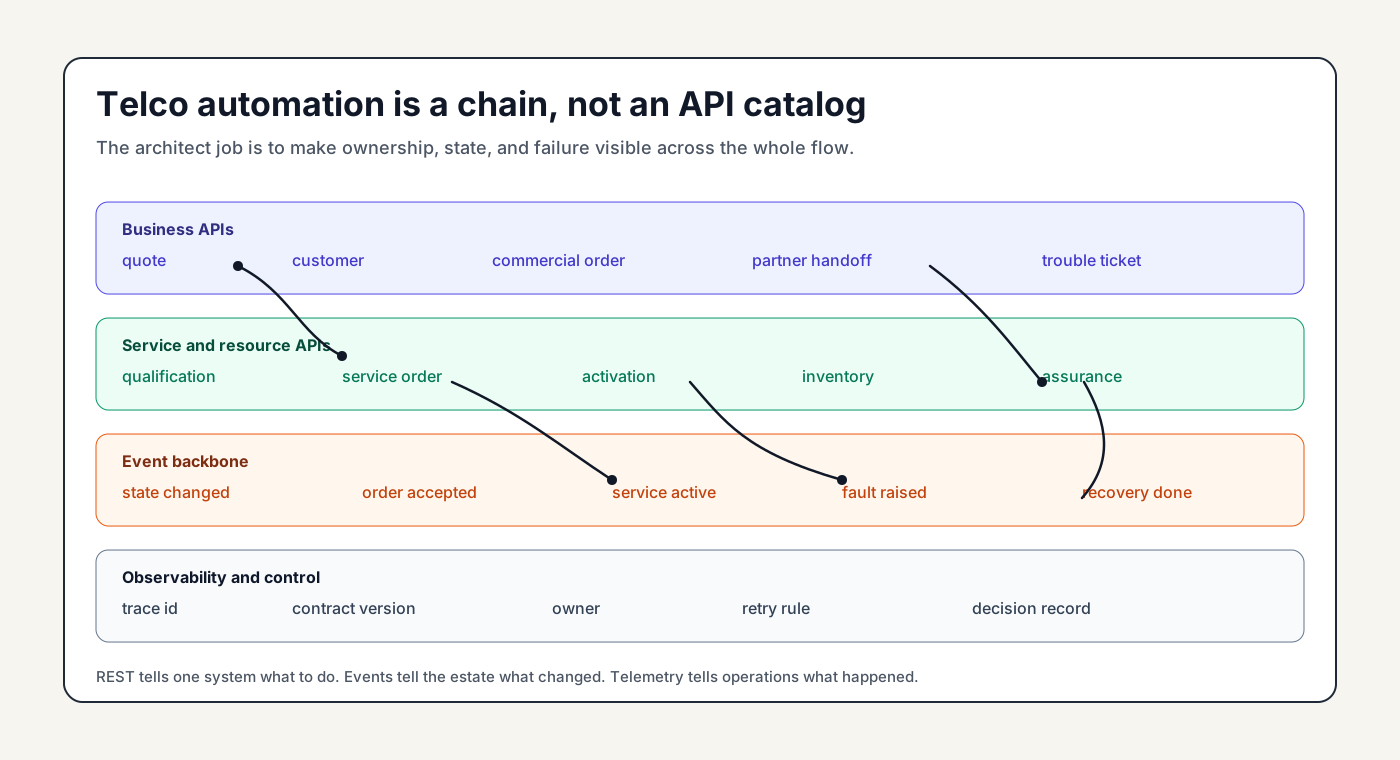
TM Forum APIs, Mplify LSO, events, and OpenTelemetry all matter. None of them are enough alone. The architecture is the chain between them.
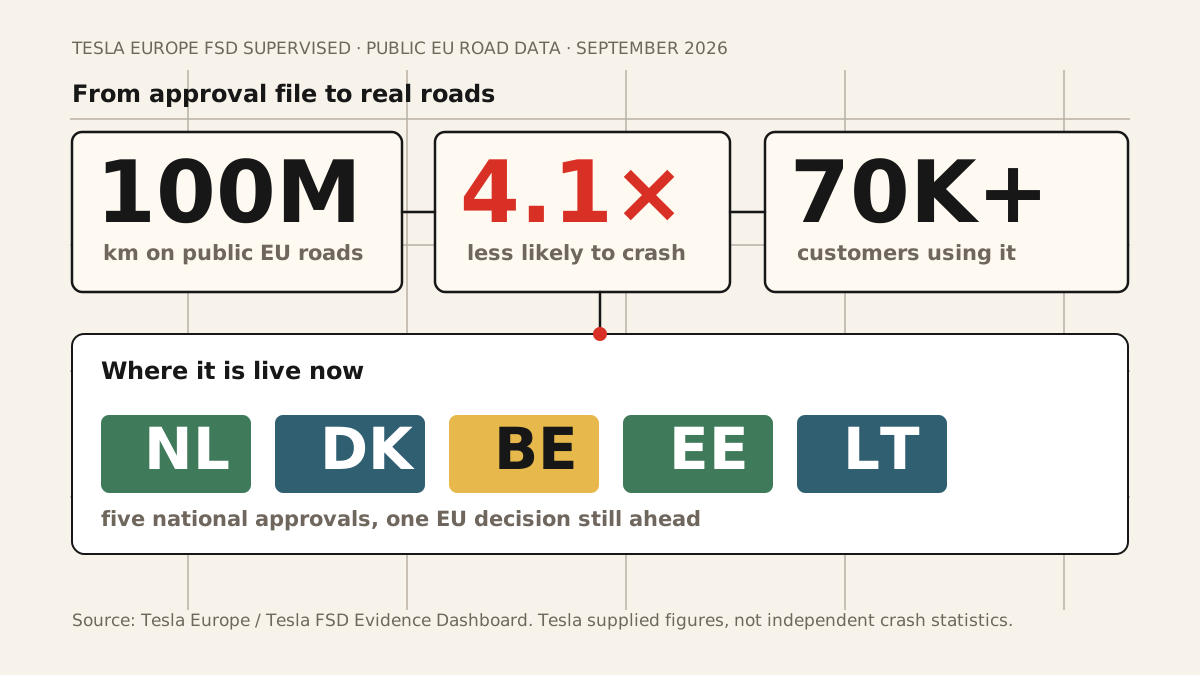
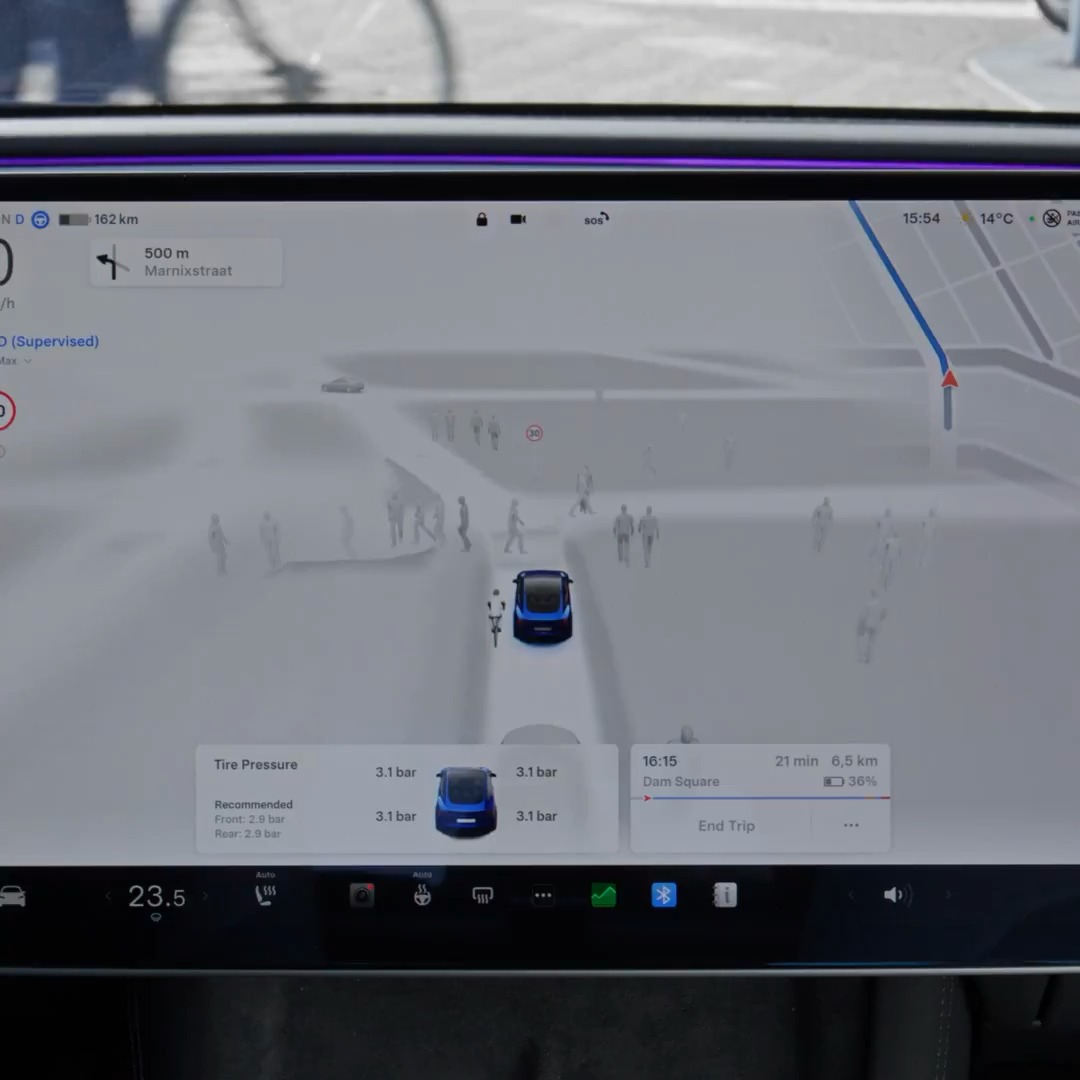
Tesla has published fresh European FSD Supervised evidence ahead of an October EU vote. After more than 2,000 km with it in Denmark, my experience is simple: it is not perfect, but it is now useful enough to change how I drive.
I am looking at a 180 litre Akvastabil Element aquarium with cabinet, which means I may be one responsible decision away from owning water furniture with residents.
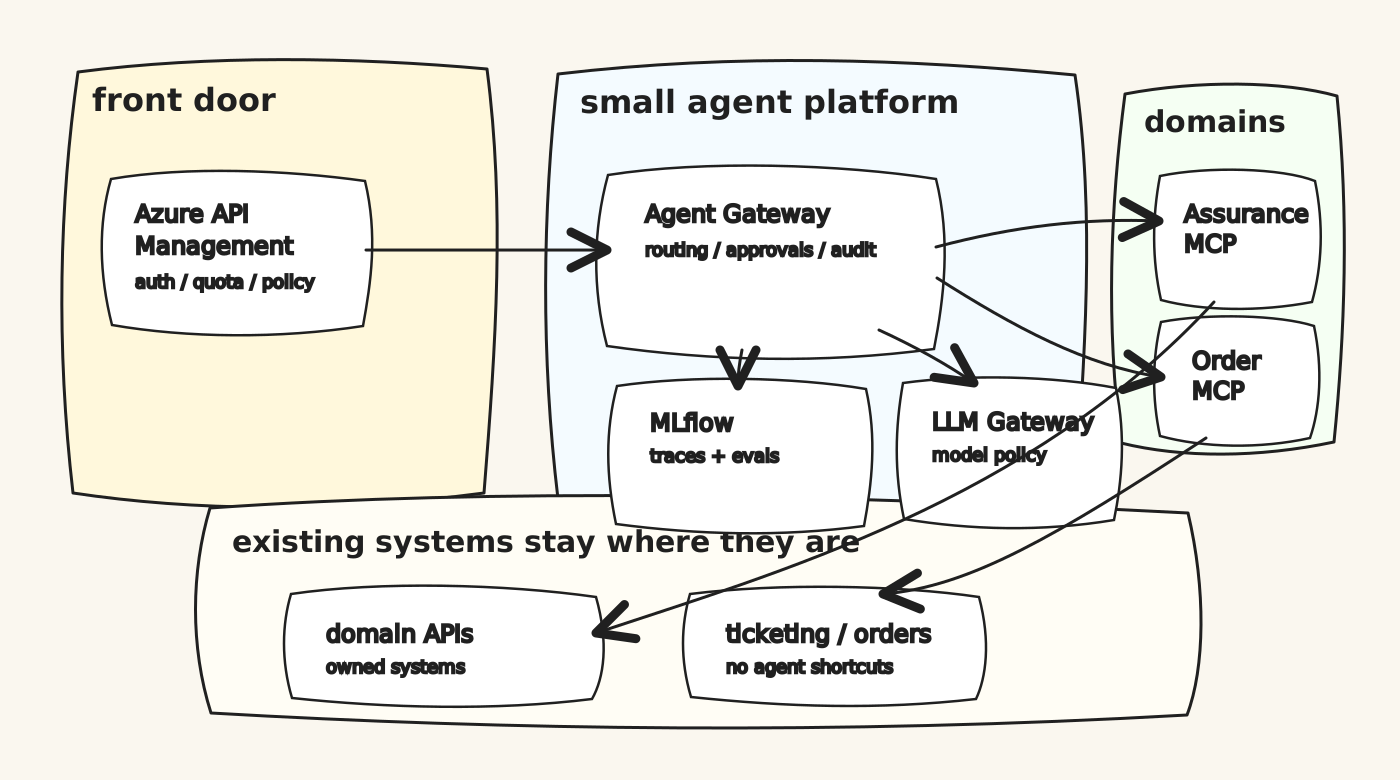
AI can generate more code. That is not the bottleneck. The real work is removing integration, ownership, approval, and governance bottlenecks with a domain-driven MCP platform, APIM, and MLflow from mlflow.org.
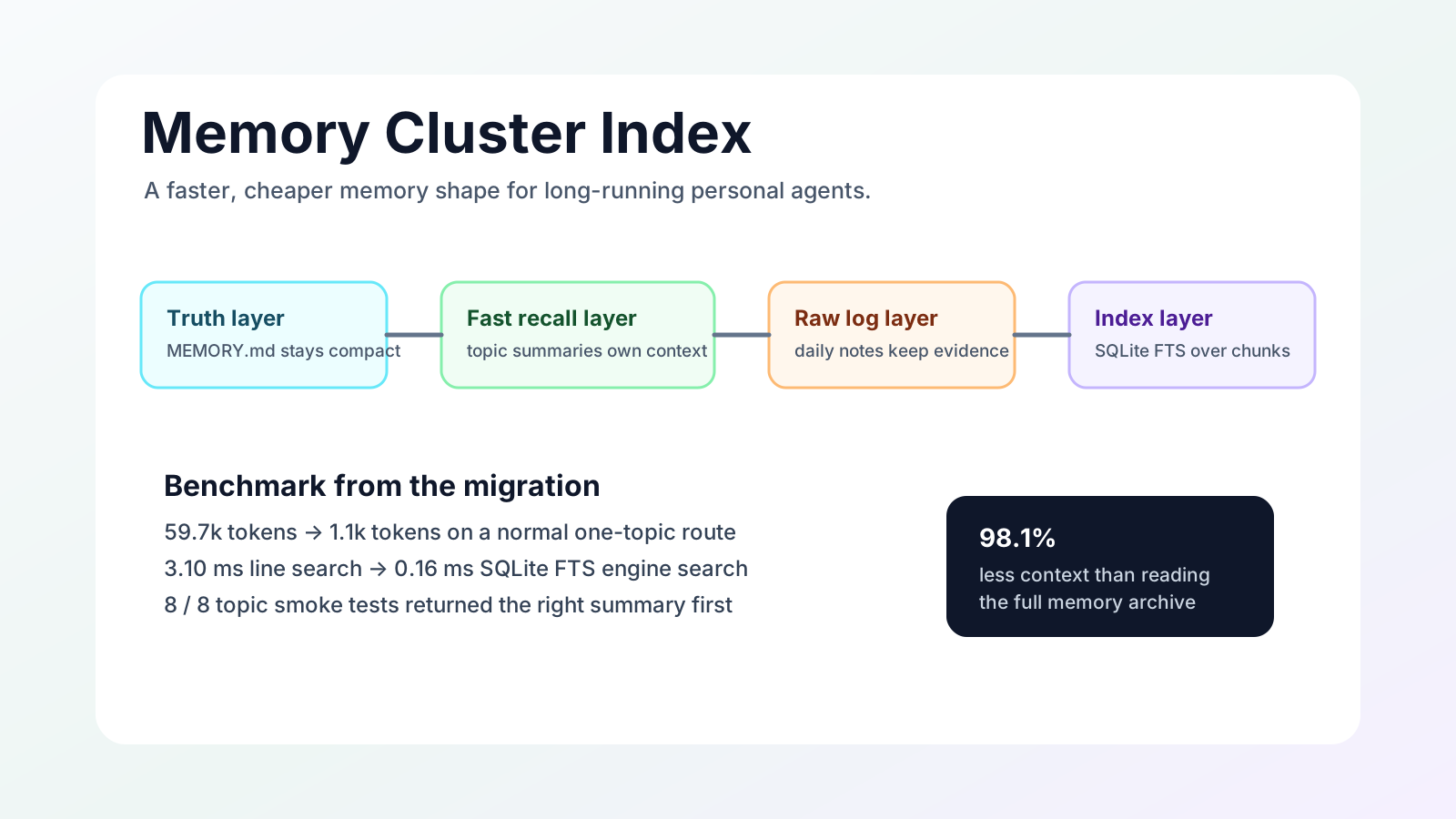
The useful version of agent memory is not a bigger bucket. It is a layered system: compact truth, raw notes, topic summaries, and a local index that works even when embeddings do not.
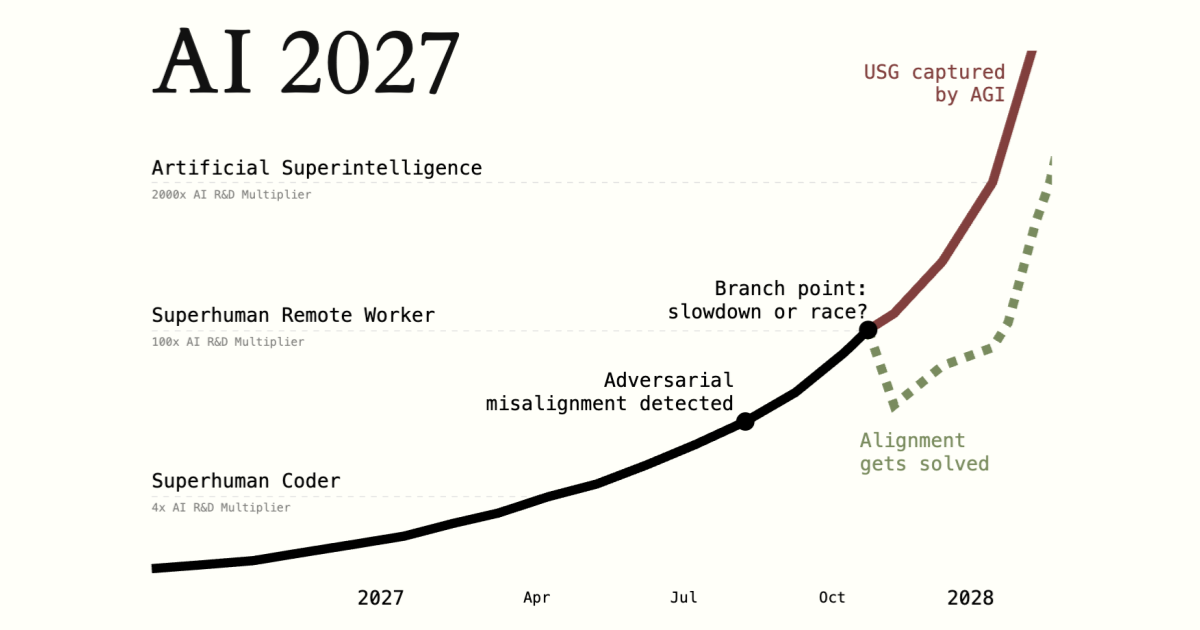
Daniel Kokotajlo's AI forecasts look extreme until you separate the mechanism from the calendar. The direction is plausible. The 2027-style timeline is the part I struggle to buy.
The final leg of our 23 days in the States with Janice, Nelly, and Jamie: New York City on foot, big buildings doing free entertainment, and two adults trying to keep the moving parts attached.
The middle leg of our 23 days in the States with Janice, Nelly, and Jamie: the Grand Canyon being unfairly huge, Lake Tahoe changing the pace, San Francisco acting as a doorway, and Hawaii cashing the whole thing in.
The first leg of our 23 days in the States with Janice, Nelly, and Jamie: escaping LAX, letting Palm Springs repair us, and taking Las Vegas exactly as seriously as it deserves.
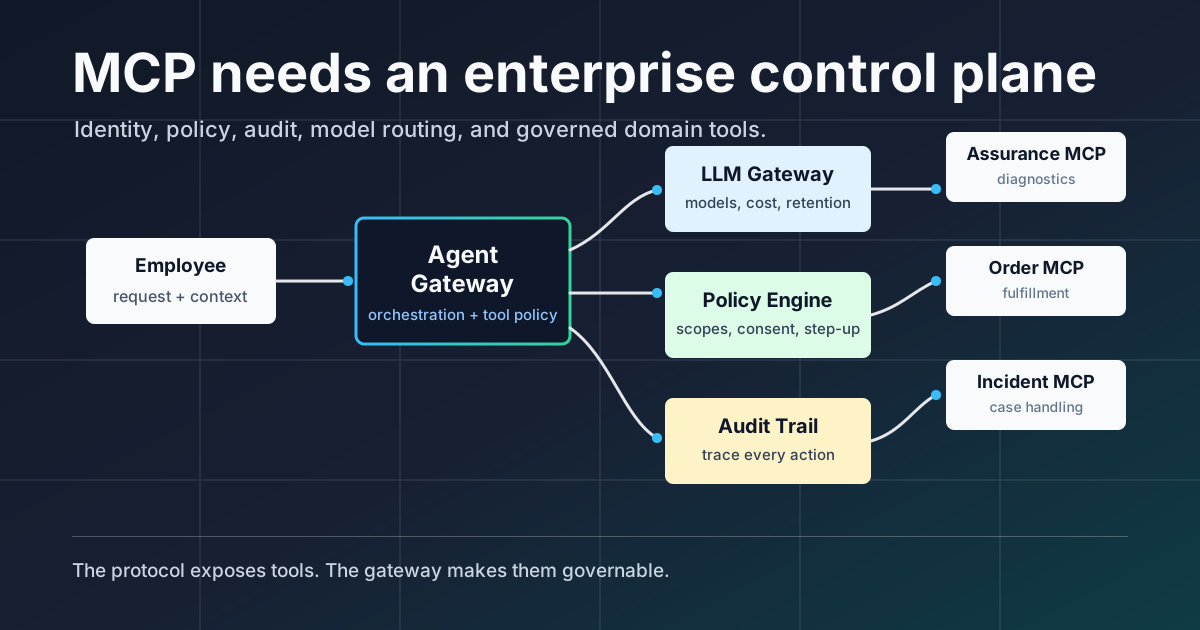
Model Context Protocol can make agents useful inside large companies, but only if it is wrapped in identity, policy, audit, ownership, and a serious gateway architecture.
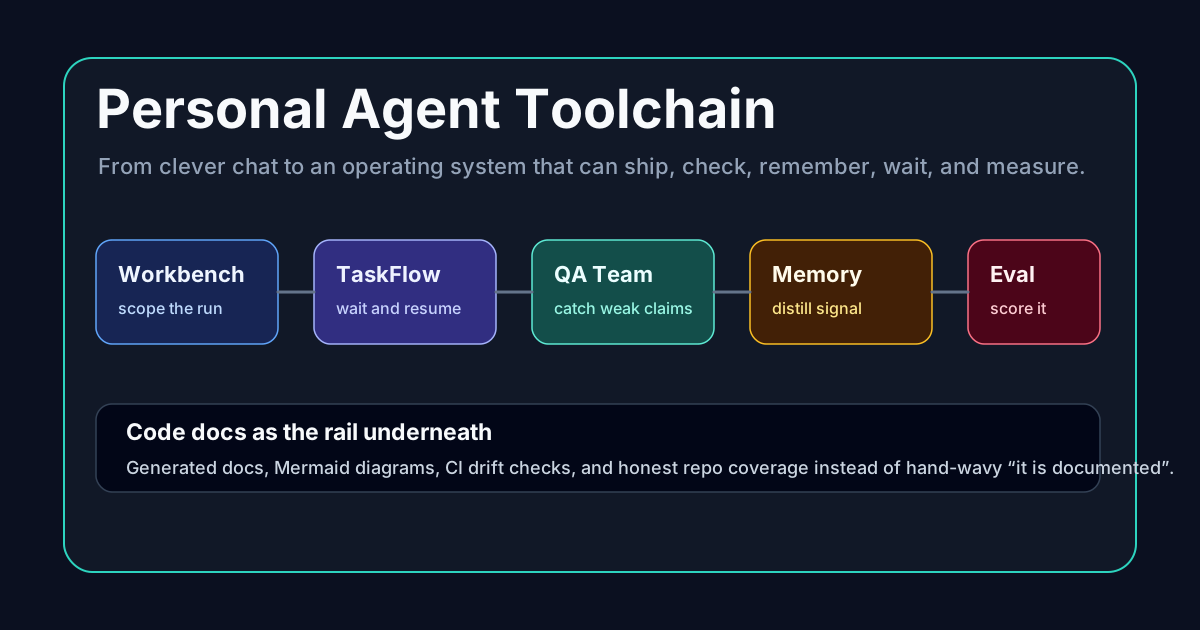
A useful personal agent needs more than prompts. It needs a workbench, QA, memory discipline, durable task running, evaluation, and docs that stay honest in CI.
Agents are the easy story. Changing the operating model is the hard one.
First impressions from DTW Ignite 2026 in Copenhagen: agentic AI is all over the agenda, but telecom still has the awkward problem of making the economics work.
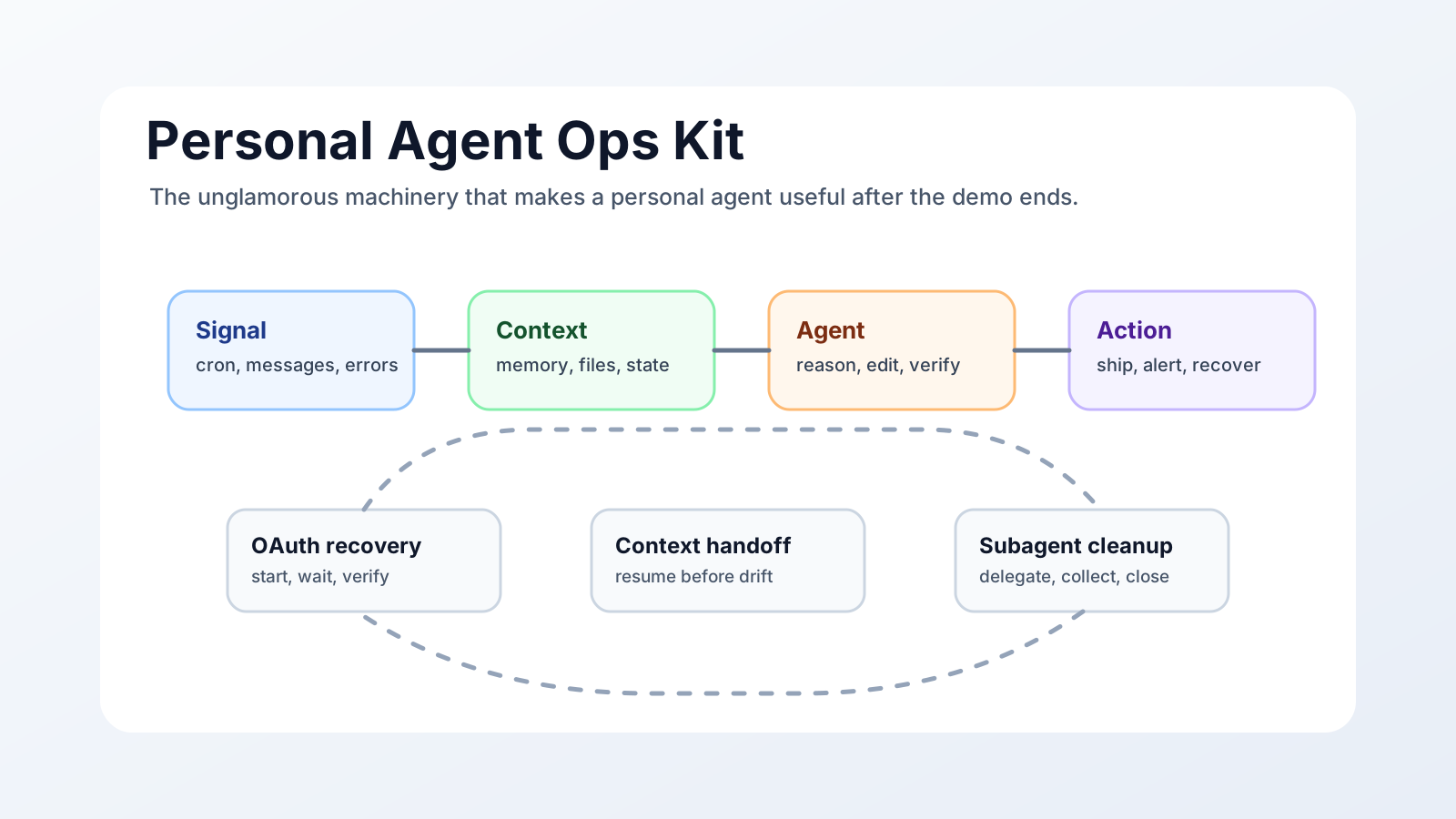
A useful personal AI agent is not one clever prompt. It is the boring operational loop around memory, recovery, context handoff, scheduled work, and cleanup.
After more than 200 km with Tesla FSD Supervised in Denmark, the interesting part is not the approval headline. It is how quickly the feature turns from regulatory speculation into ordinary driving.
Single-stock investing can become an unpaid second job that steals attention from work, family, and ordinary life. Sometimes the better portfolio decision is to make investing boring again.
A follow-up from our family babymoon: Manhattan turns out to be one of the easiest big cities to enjoy with a 1-year-old and a 5-year-old, mostly because the city gives you great walks, constant landmarks, and playground bailouts everywhere.
A great business is not automatically a great stock. Gate 5 exists to stop me from paying for perfection and calling it discipline.
Most stock frameworks are either too vague or too clever. This one is simple on purpose: five gates, a written template, and a hard rule that a great business is not automatically a great stock.
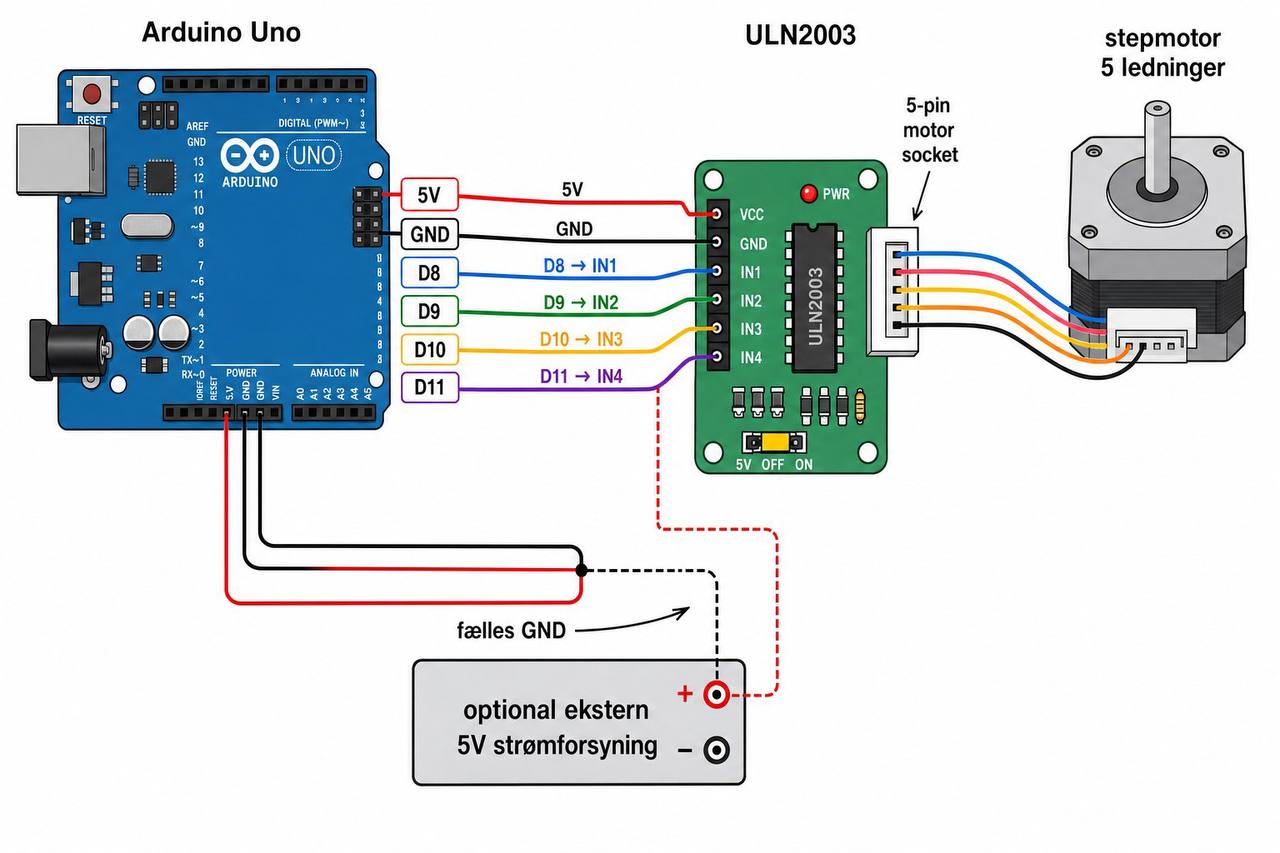
A fun, honest write-up of helping my wife’s younger brother build an Arduino motor-control school project, and why hands-on projects teach more than polished demos ever will.
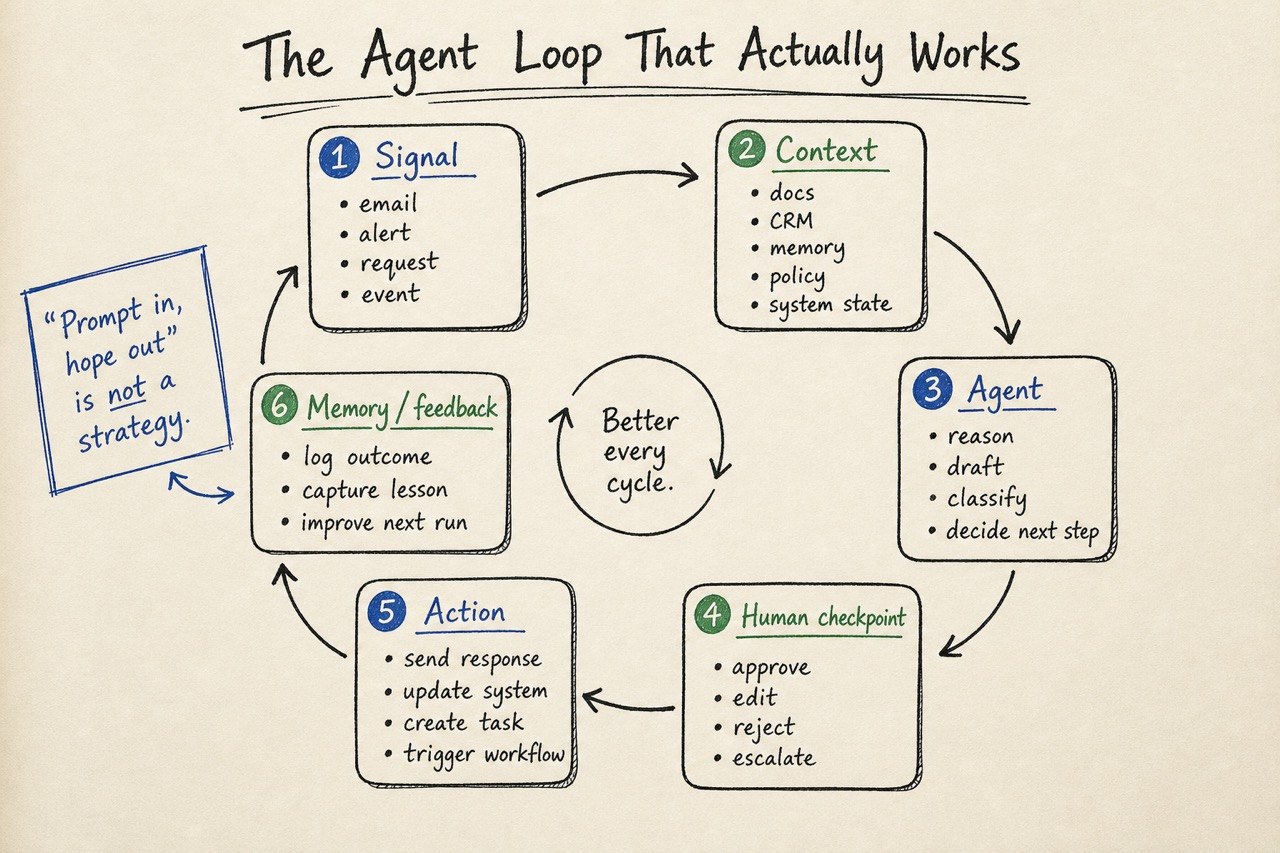
Most enterprise AI strategies are still too model-first. The real leverage comes from designing an agent loop that can survive contact with reality.
Why we are doing our Manhattan babymoon with a 1-year-old and a 5-year-old, flying direct to Newark, walking as much as possible, and refusing to turn New York into a checklist.
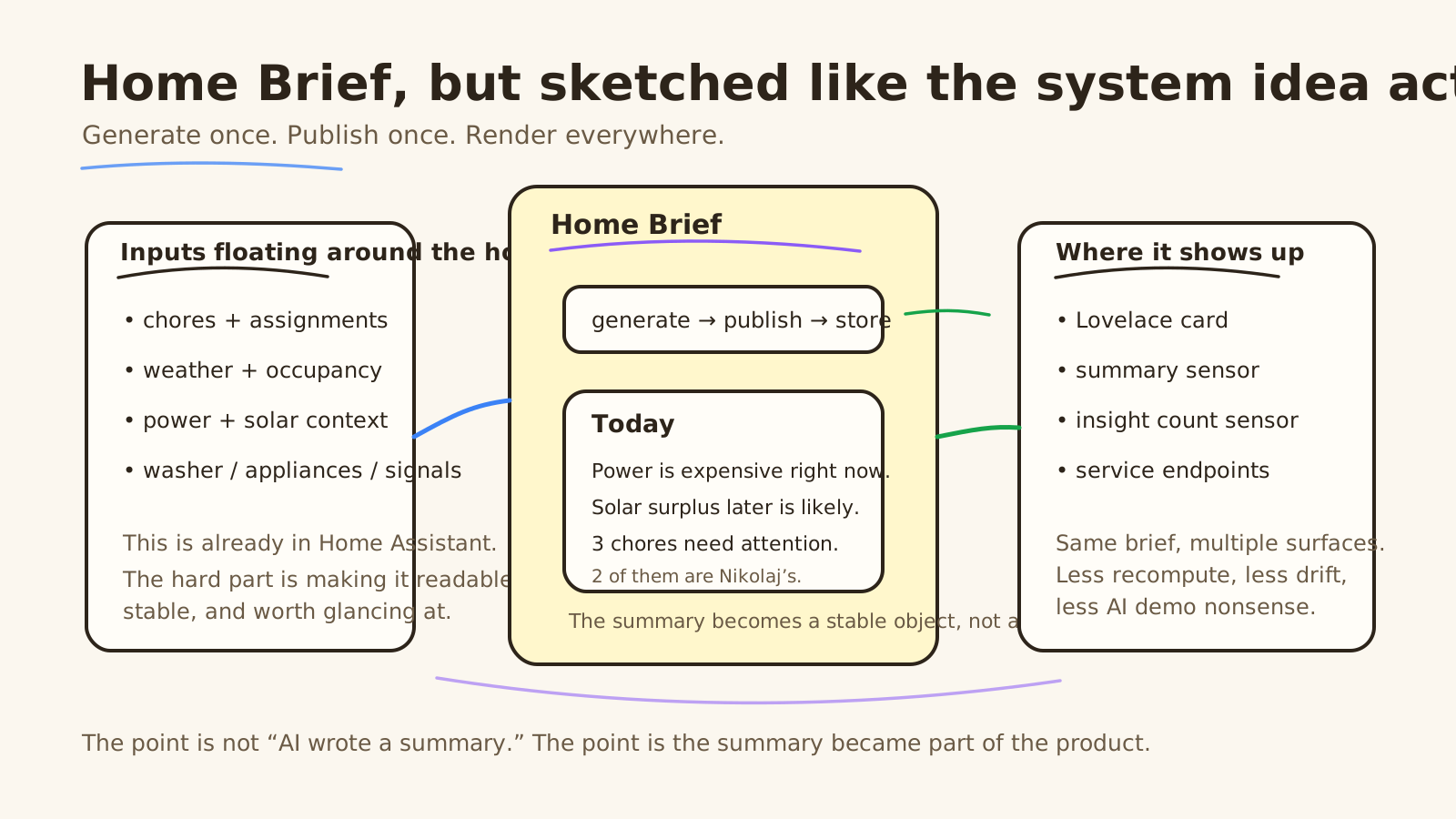
A practical write-up of Home Brief, a Home Assistant integration that generates useful house summaries and supports a proper published daily brief instead of one-shot AI output.
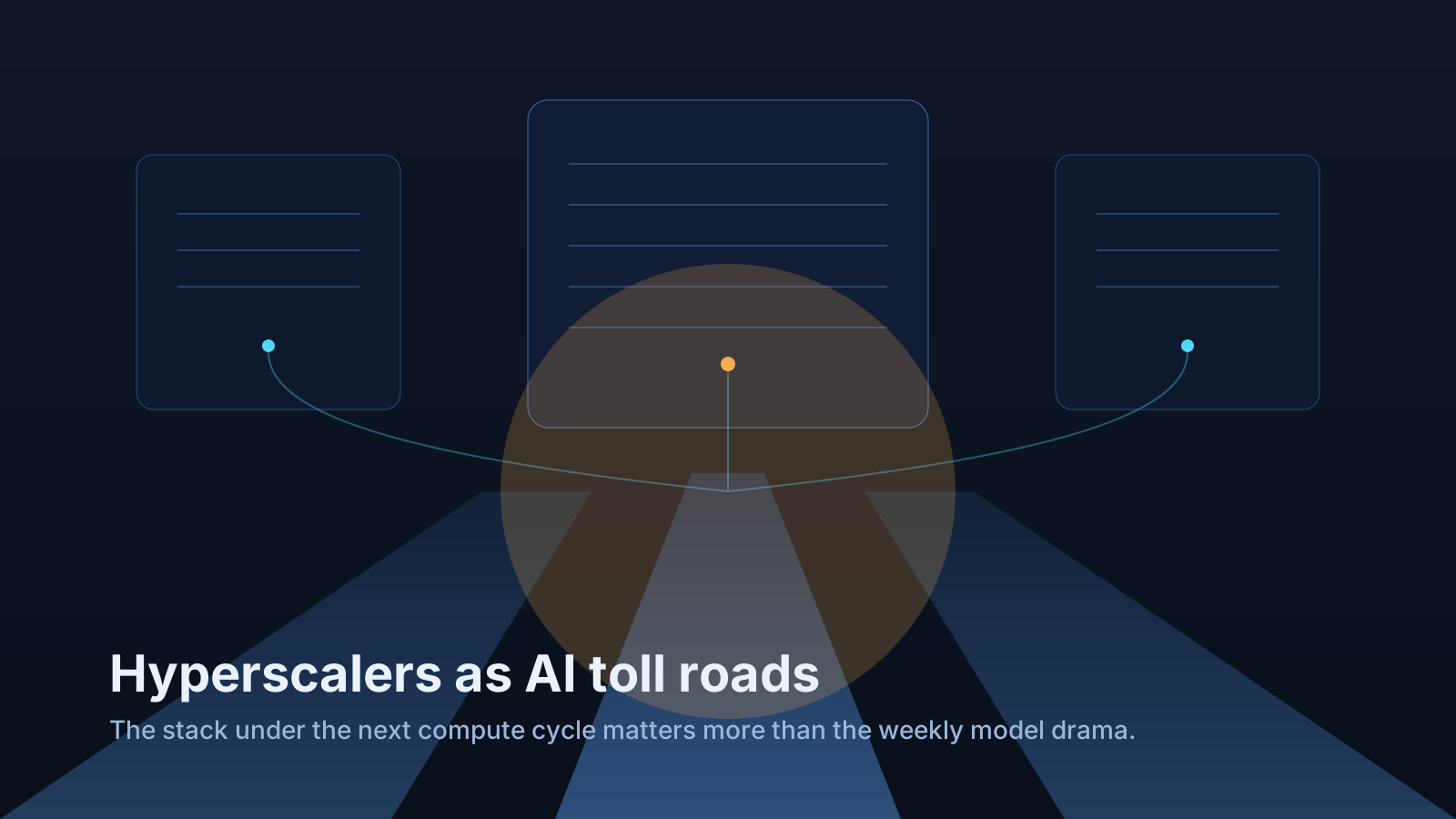
A lot of the market still talks about hyperscalers like they are just expensive big tech again. I think that misses the point. If AI keeps scaling, Microsoft, Google, and Amazon are not side bets. They are the infrastructure layer the whole wave has to run through.
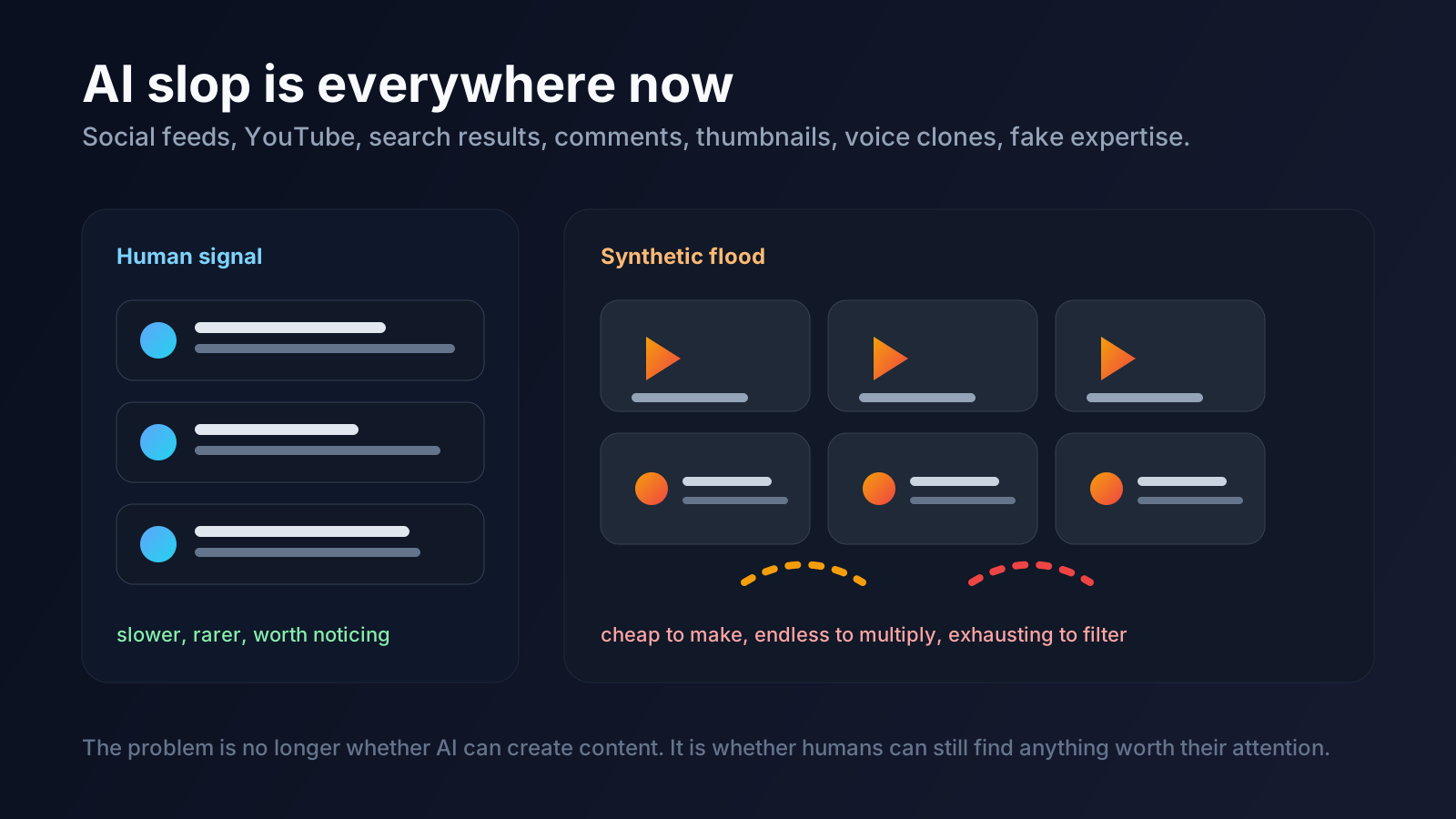
AI-generated junk is flooding social media, YouTube, search, and comment sections faster than people can filter it. The problem is no longer whether AI can create content. It is whether the internet can stay worth using.
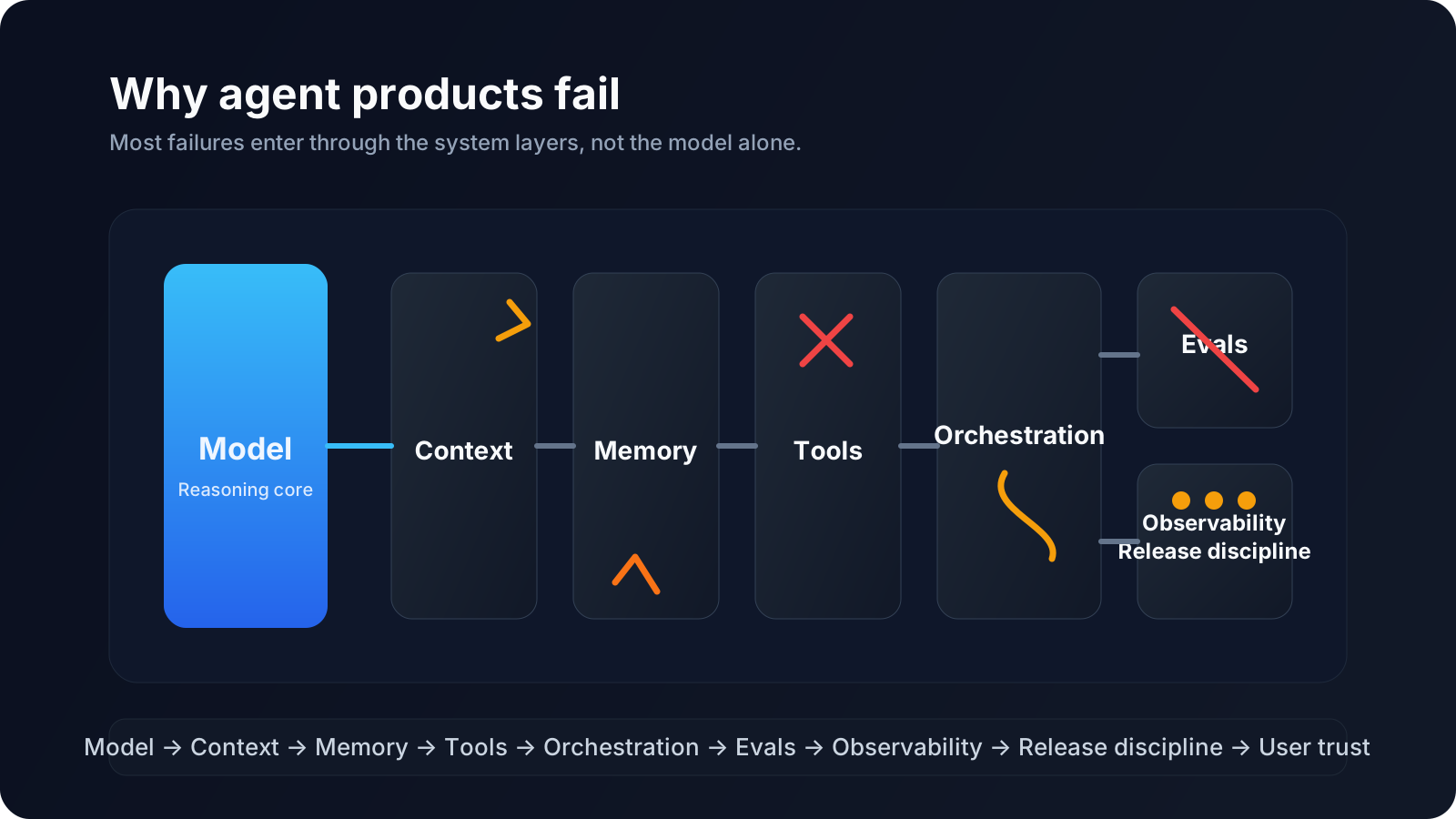
Most agent products do not break on model quality first. They break on messy context, brittle tools, fake evals, weak recovery paths, and sloppy release discipline.
RDW has now approved Tesla FSD Supervised for use in the Netherlands. That does not put Denmark on the rollout list tomorrow, but it makes the path into the rest of Europe much more concrete.
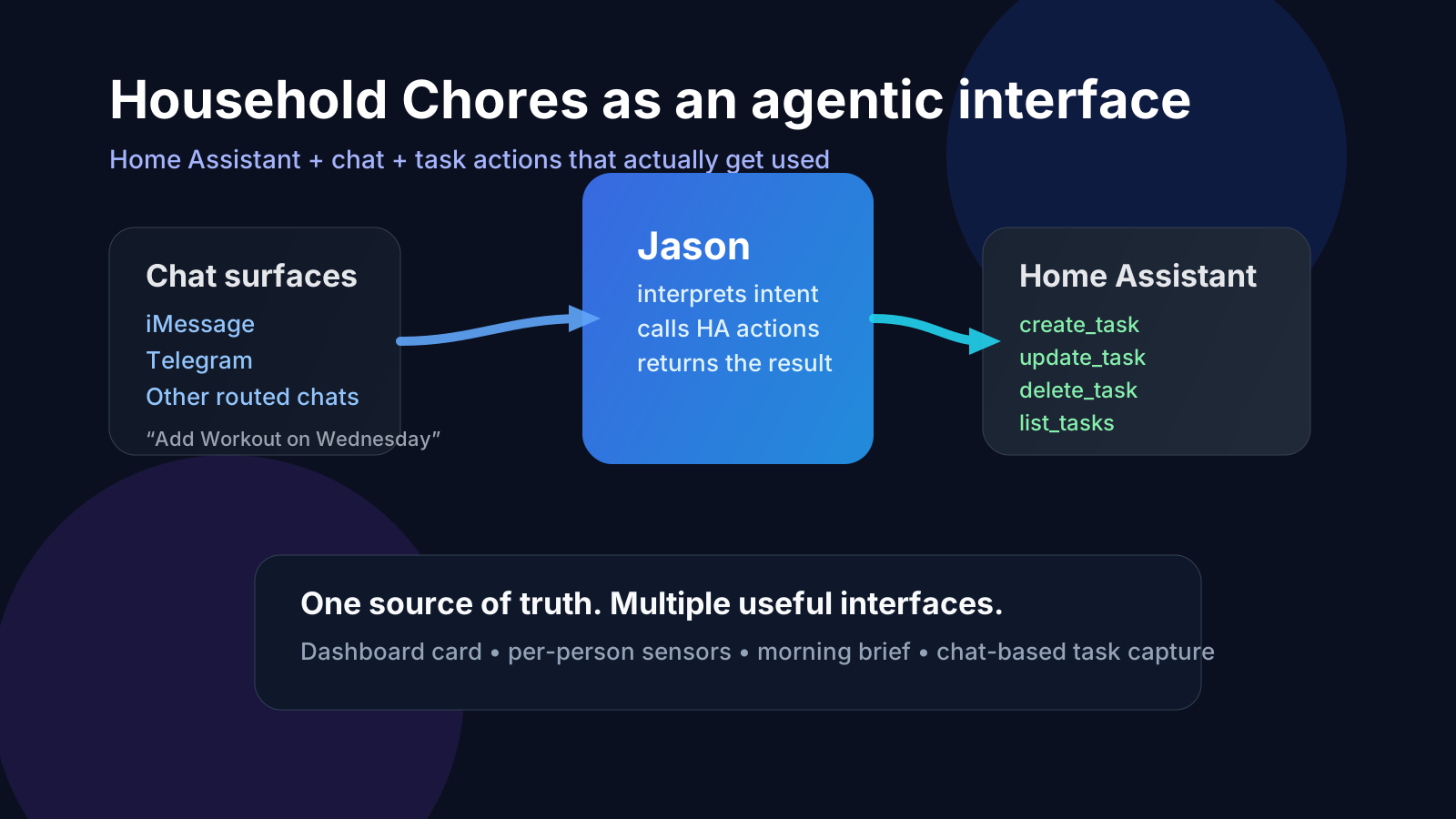
A practical look at how I built Household Chores for Home Assistant, wired it into my assistant, and made task creation work through chat surfaces like iMessage and Telegram.
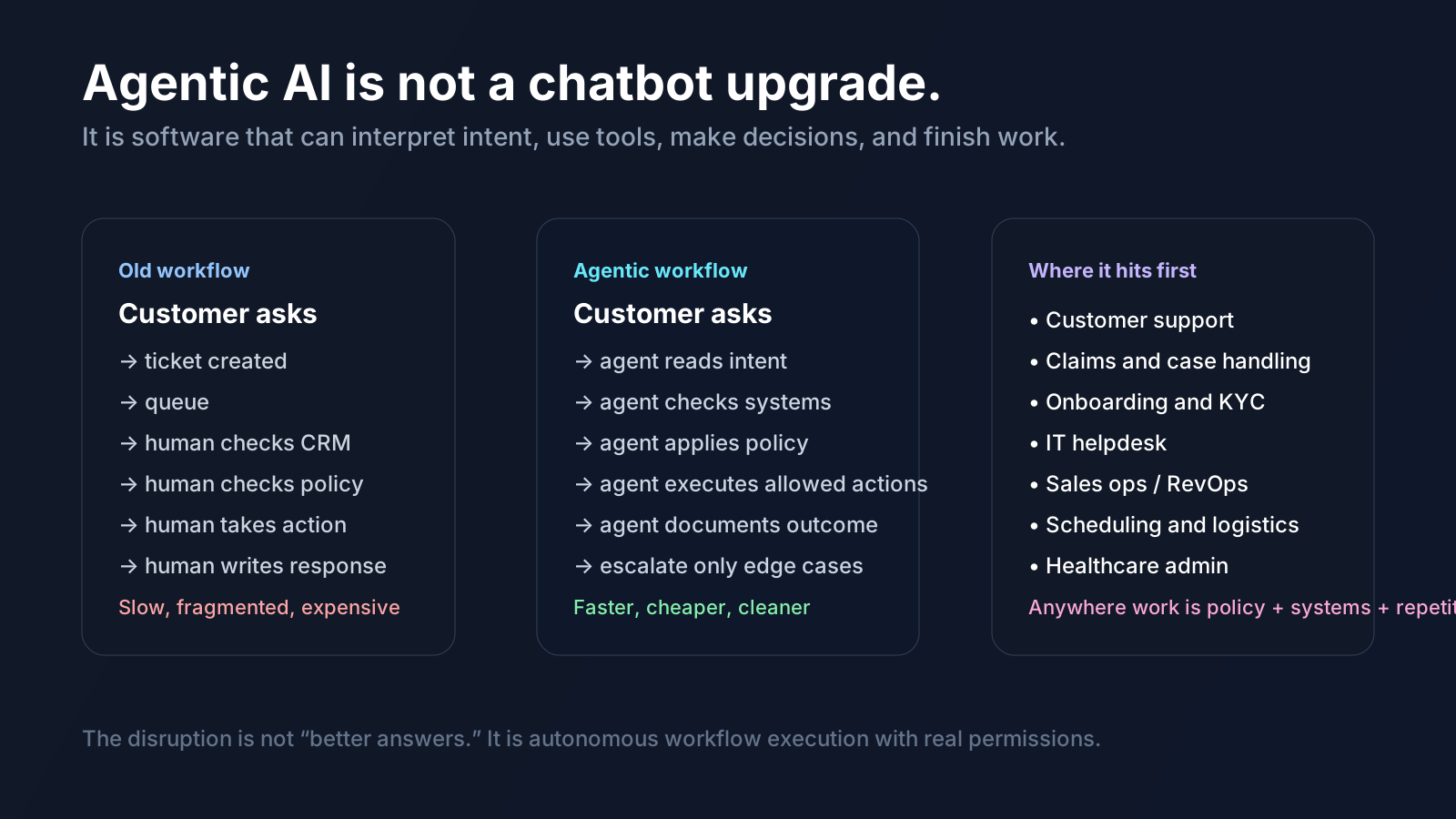
Most people still think AI means a chatbot. The real shift is software that can act across your machine, tools, and workflows until the job is done.
Most enterprise AI still feels like letting a very confident intern loose in your systems.
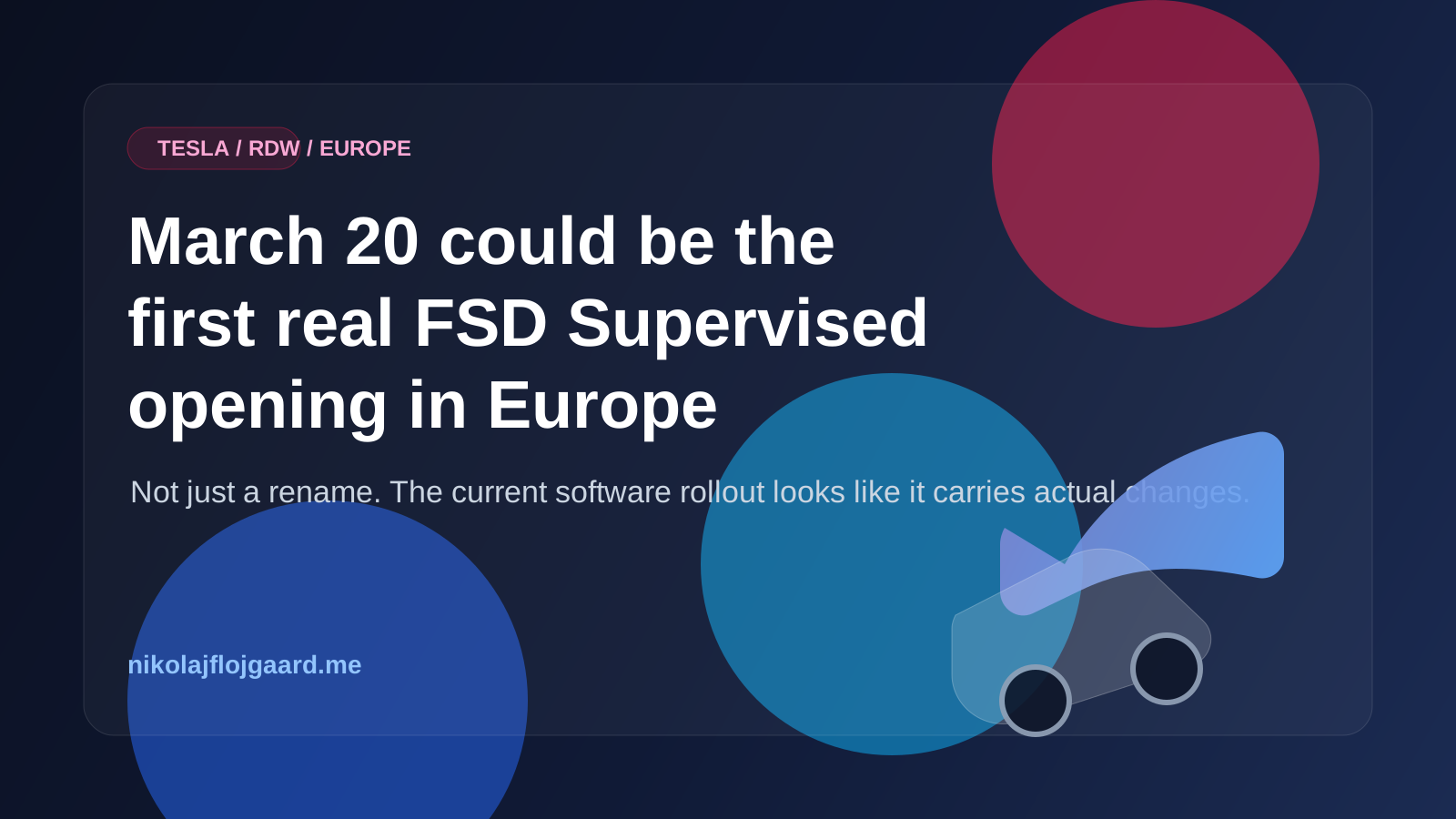
Elon Musk says March 20 could bring FSD Supervised to Europe, likely through the Netherlands first. If that happens, RDW is the key gatekeeper — and Tesla’s current software rollout suggests this is more than a rename.
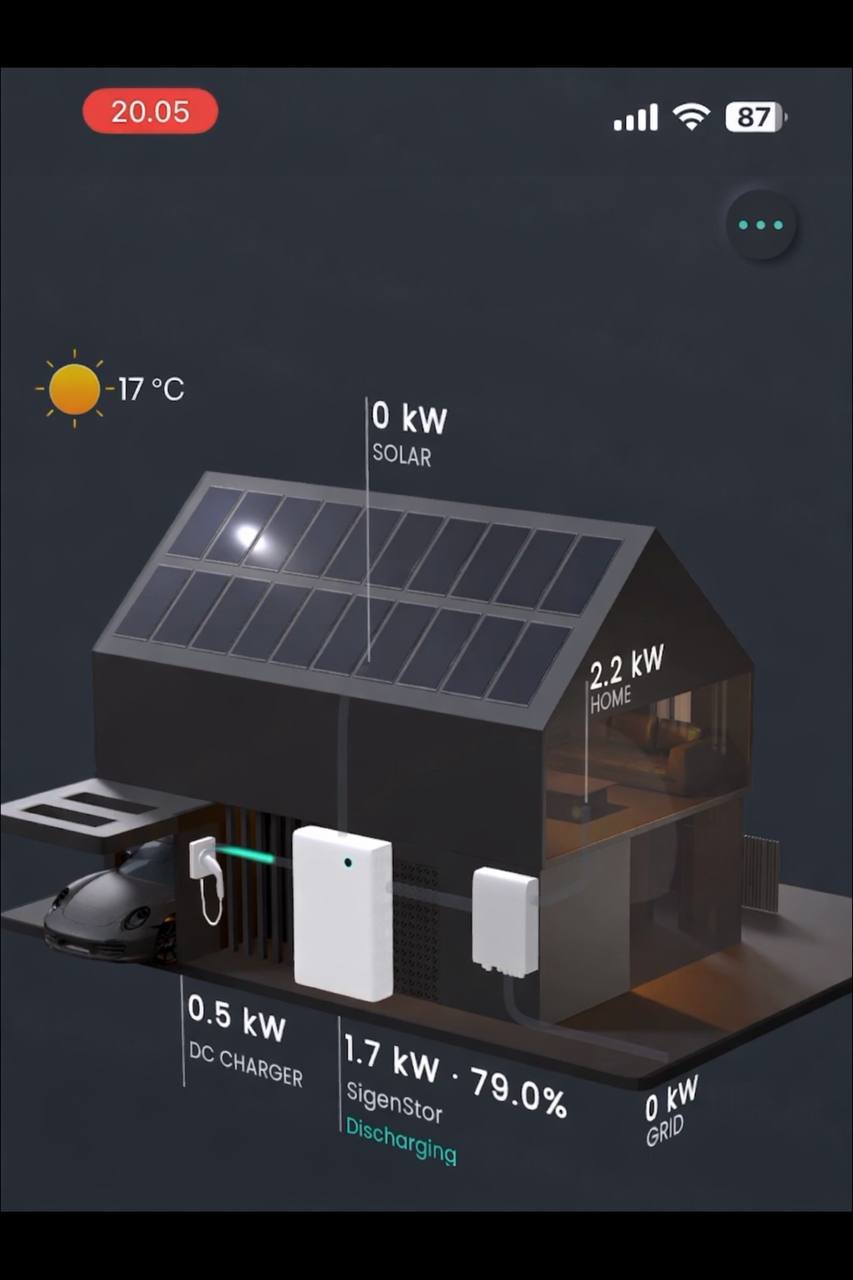
Energinet's latest grid-capacity warning points to the real issue: Denmark does not just need more electricity. It needs more flexibility — and Sigenergy's 5-in-1 bidirectional setup is one way to think about that.
When an AI company says it cares about safety and then walks toward defense work, the hard question isn't hypocrisy. It's whether responsible refusal is still possible once capability becomes geopolitical infrastructure.
RDW's recent certification activities suggest Tesla's Full Self-Driving could finally reach European roads. Here's what the regulatory pathway looks like and why integration architects should pay attention.
Nio just proved battery swap technology can operate at true fuel-station scale. What does this mean for the future of EV charging?
AI speed without API governance is just faster technical debt.
On‑prem is the king again (but SaaS might not be dead yet).
In telco, the integration layer becomes the control plane for reliable cross-domain execution as agentic automation scales.
Playing around with Home Assistant, maybe this template is for you?
Agentic delivery (including OpenClaw-style orchestration) can speed up CRM innovation.
A common telecom transformation myth is: integration numbers and complexity should decline as maturity increases.
AI doesn’t replace architecture — it makes good architecture non‑negotiable.